Skip to main content Skip to page footer
Pisava
Destructive and Non-Destructive Testing of Welded Joints
Goals
Become familiar with destructive and non-destructive testing methods for welded joints.
Understand standard destructive tests such as the tensile test, bend test, impact toughness test, hardness measurements, and macroetch analysis of the weld.
Gain knowledge of non-standard destructive tests that make it possible to assess defects and determine the service life of welded joints.
Become acquainted with non-destructive testing methods for detecting imperfections, including visual inspection, liquid penetrant testing, and magnetic particle testing.
Share education
Details
26. - 28. 5. 2026
SLO / EN
combined
1,7
0/5
305,00 €
Content

In the couse, participants will first learn theoretically about the different methods for the destructive inspection of welded joints. The following methods will be covered: 

 - Tensile test of weld joint, 

 - bending tests (tensile, root and side), 

 - impact toughness test (weld metal, TVP and base material), 

 - hardness measurements (in copper, TVP and base material), 

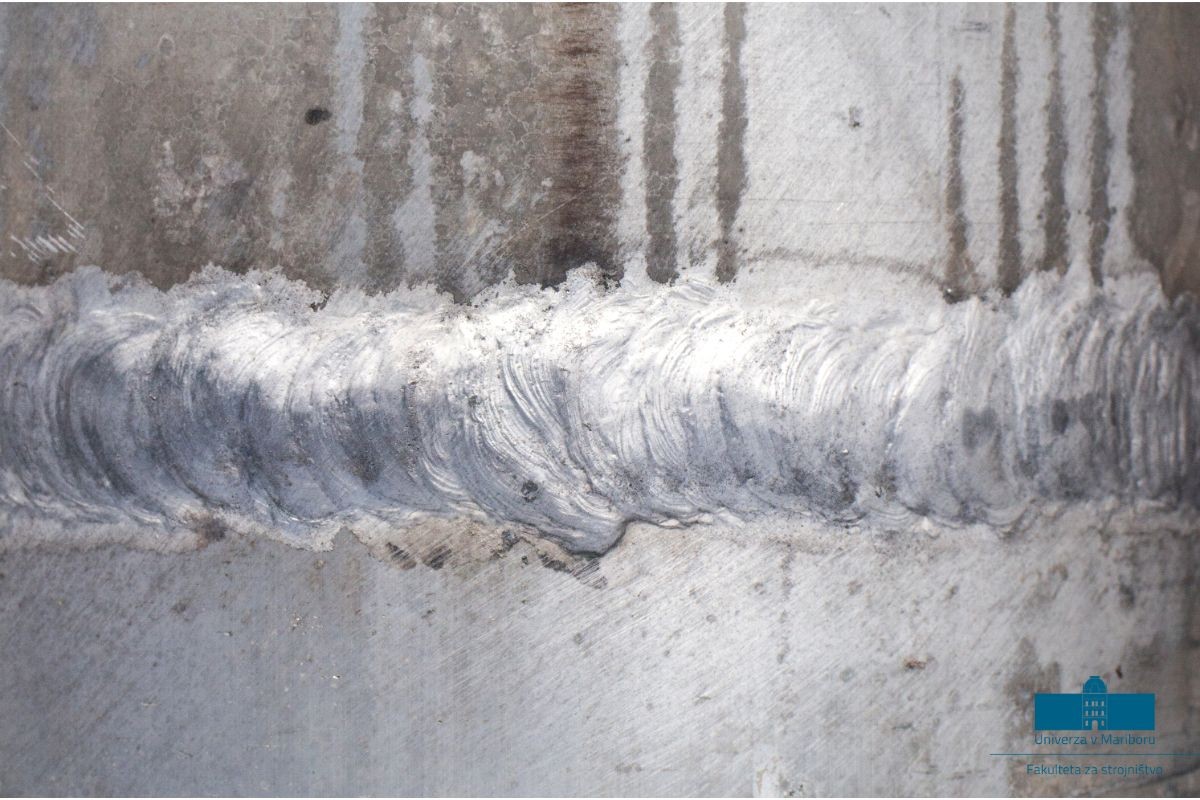
 - weld macrosection preparation and its analysis 


Non-standard methods of weld joint examination, either for the assessment of defects or for the determination of the service life or remaining service life of a weld joint, will also be discussed. This will be followed by practical training and the application of each method to specific welded joint specimens 


Participants will then learn the theory and practice of non-destructive examinations. We will discuss: 

 - visual inspection, 

 - inspection with liquid penetrants, 

 - magnetic particle inspection, 

 - ultrasonic inspection, 

 - radiographic control, 

 - eddy current control, 

 and - leakege inspection 


Participants will also learn about the advantages and disadvantages of the methods and why it is necessary to combine methods when investigating welded joints. 

Competence

Cognitive domain 

1. Knowledge: List the methods of destructive and non-destructive examination of welded joints. 

2. Understanding: Explain why it is important to combine different methods. 

3. Application: You can monitor the performance of non-destructive testing in the company. 

4. Analysis: You can analyse the results of both fracture and non-fracture testing. 

5. Evaluation: Evaluate the advantages and disadvantages of each method. 


Affective domain 

1. Reception: You can follow a lecture on methods of investigation. 

2. Responding: Participate in a discussion about the methods. 

3. Evaluation: Explain the relevance of each investigation. 

4. Organising: Prepare a plan for the company's investigations - the NDT control plan. 

5. Characterisation: Determine the properties of welded joints. 


Psychomotor area 

1. Perception: Identify defects in a welded joint. 

2. Setting: Prepare welds for inspection by NDT in the company. 

3. Management: Supervise the performance of the company's examinations, communicate with   

    NDT inspectors. 

4. Mechanism: Perform hardness measurements, tensile test, bending test independently. 

5. Complex open-ended responsiveness: Adjust the type and extent of destructive and non- 

    destructive testing on welds according to production needs. 

Schedule
DatumČasVsebina
26. 5. 2026   8:00 – 14:00    
  • Destructive testing of the weld joints.
27. 5. 2026   8:00 – 14:00    
  • Non destructive testing od the welds joints.
28. 5. 2026   8:00 – 14:00    
  • Laboratory exercises destructive and non-destructive testing .
  • Regular price: 

  • Price for doctoral students: 

  • 10% discount for companies, sending 3 or more participants to the course
     

  • The price includes:

  • 24 hours of lecutes and practical sessions
  • digital handouts for all cases covered during the course
  • lunch at a nearby restaurant
  • cofee breaks with pastries 
  • certificate of attendance


    Requirements for attending the course

  • There are no requirements for attending.

Provider

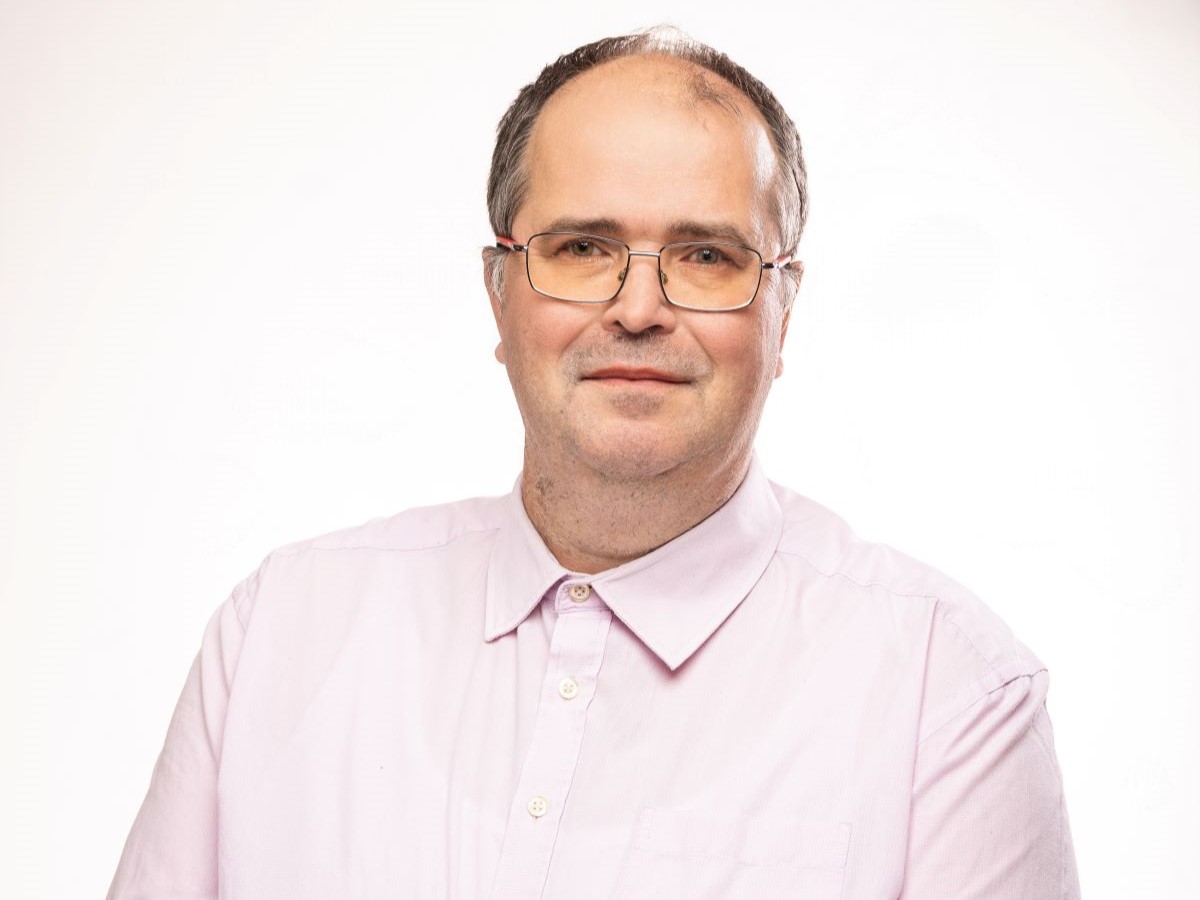
doc dr. Tomaž Vuherer

is an International Welding Engineer and International Welding Inspector. He is involved in static and dynamic testing of welded joints. His speciality is the measurement of residual stresses at welded joints. He is also actively working on fatigue of welded joints. He is active in the Slovenian Institute for Standardisation, where standards are accepted in the field of welding and non-destructive testing. He leads a welding laboratory at the Faculty of Mechanical Engineering, which actively collaborates with industry. 

Other providers

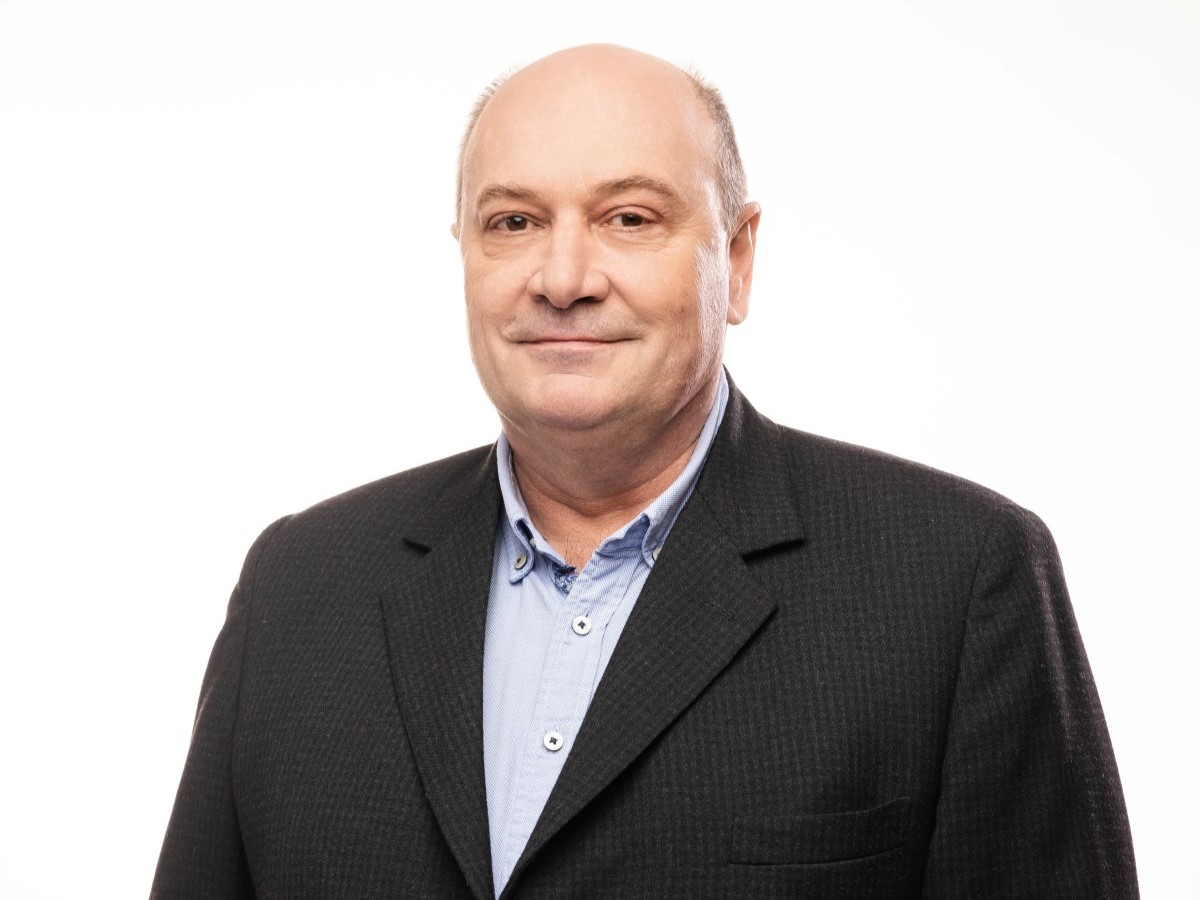
doc. dr. Gorazd Lojen

is a specialist in the field of materials. He specialises in metallographic investigations and mechanical testing. In the investigation of welded joints, he is involved in the preparation of metallographic macrocestions, microscopy and macrophotography. At the Faculty of Mechanical Engineering, he conducts laboratory exercises on welding procedures, mechanical tests and non-destructive testing in welding courses.